
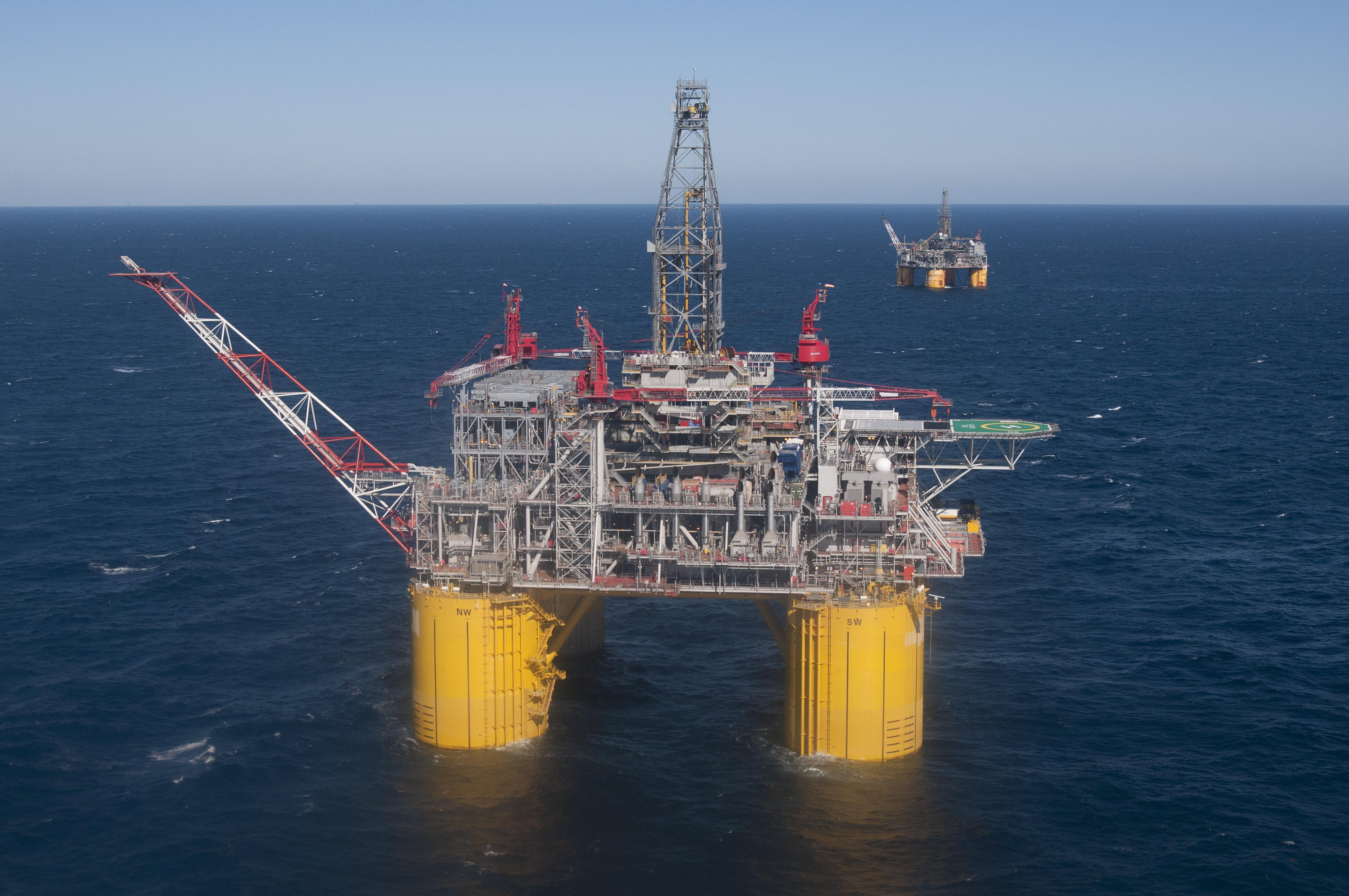
Mars is a permanent offshore drilling and production tension-leg oil platform (TLP) operating in Mississippi Canyon blocks 762, 763, 806, 807, 850 and 851 in the Gulf of Mexico and was approved by the MMS in December 1992 with production beginning on July 8, 1996. The leases were acquired by Shell in 1985 and 1988. The platform is a joint venture between Shell Oil Company and BP, with Shell owning the majority share and operating the facility. (Wikipedia)
Mars is positioned in a water depth of 896 m (2940 ft) and is designed to produce 220,000 barrels (35,000 m3) of oil and 220 million cubic feet (6,200,000 m3) of gas a day. (Wikipedia)
Mars is a Shell-operated deep-water oil and gas platform located in the Gulf of America, more than 200 kilometres (130 miles) south of New Orleans. The platform has operated since 1996.
Mars is the first single platform to produce one billion barrels of oil in the Gulf of America. When it began operating — with its wells drilled directly beneath the platform — Mars was originally expected to produce around 500 million barrels of oil. New discoveries and continued innovation have enabled it to double that output.
Deep-water drilling involves extracting oil and natural gas from beneath the ocean floor at significant depths, typically greater than 200 meters (around 656 feet). This process requires specialized equipment and techniques to safely and efficiently navigate the challenging conditions of deep-water environments.
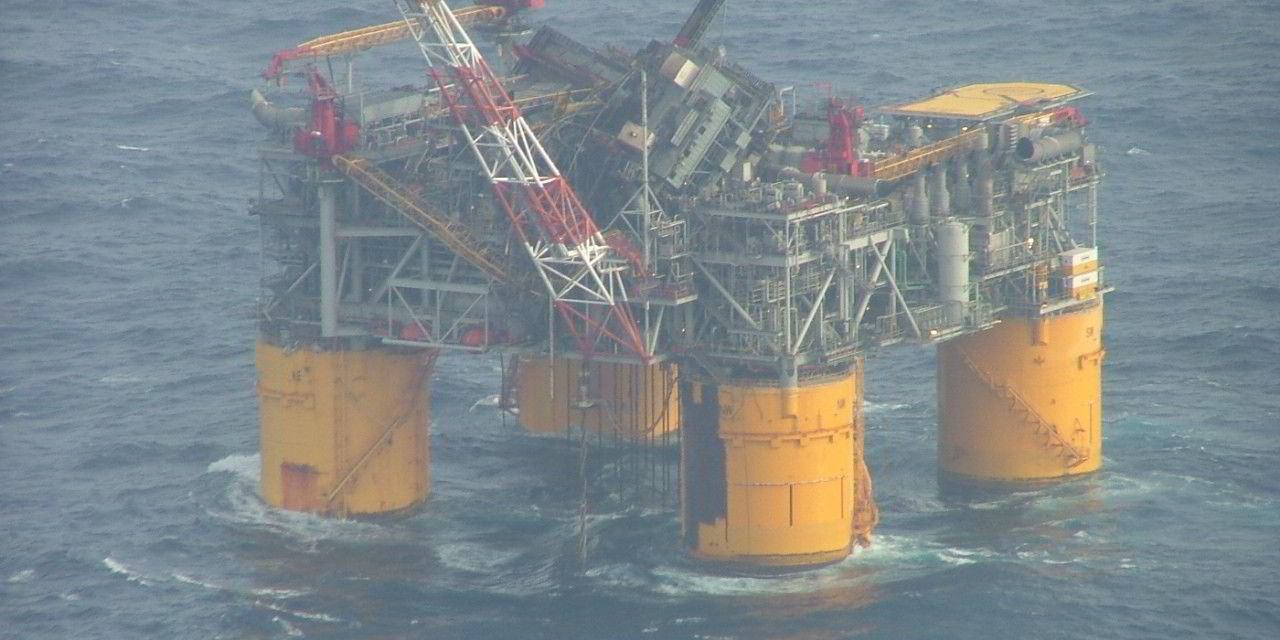
In 2005, Mars was damaged when Hurricane Katrina hit the Gulf of Mexico but returned to production ahead of schedule in May 2006 and was producing slightly above its pre-Katrina rates in July 2006.
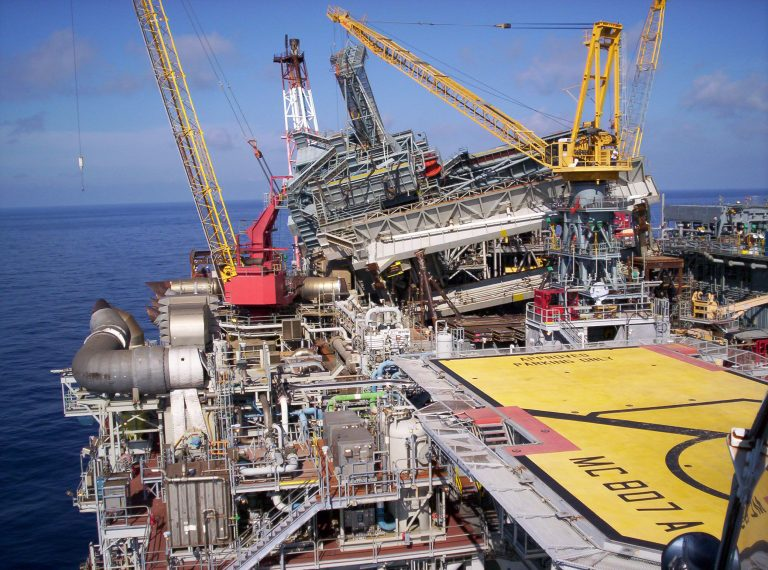
Among the first-ever accomplishments were, most notably, the lift of the 1,000 ton damaged rig substructure, the repairs to both of the Mars product export pipelines in 2,000 feet of water and the mooring of the Safe Scandinavia in 3,000 foot water depth. The Mars recovery project encompassed more than one million man-hours without a recordable injury.
When Hurricane Ida hit in 2021, posts on social media circulated falsely claiming that the platform had broken loose. (Wikipedia)