
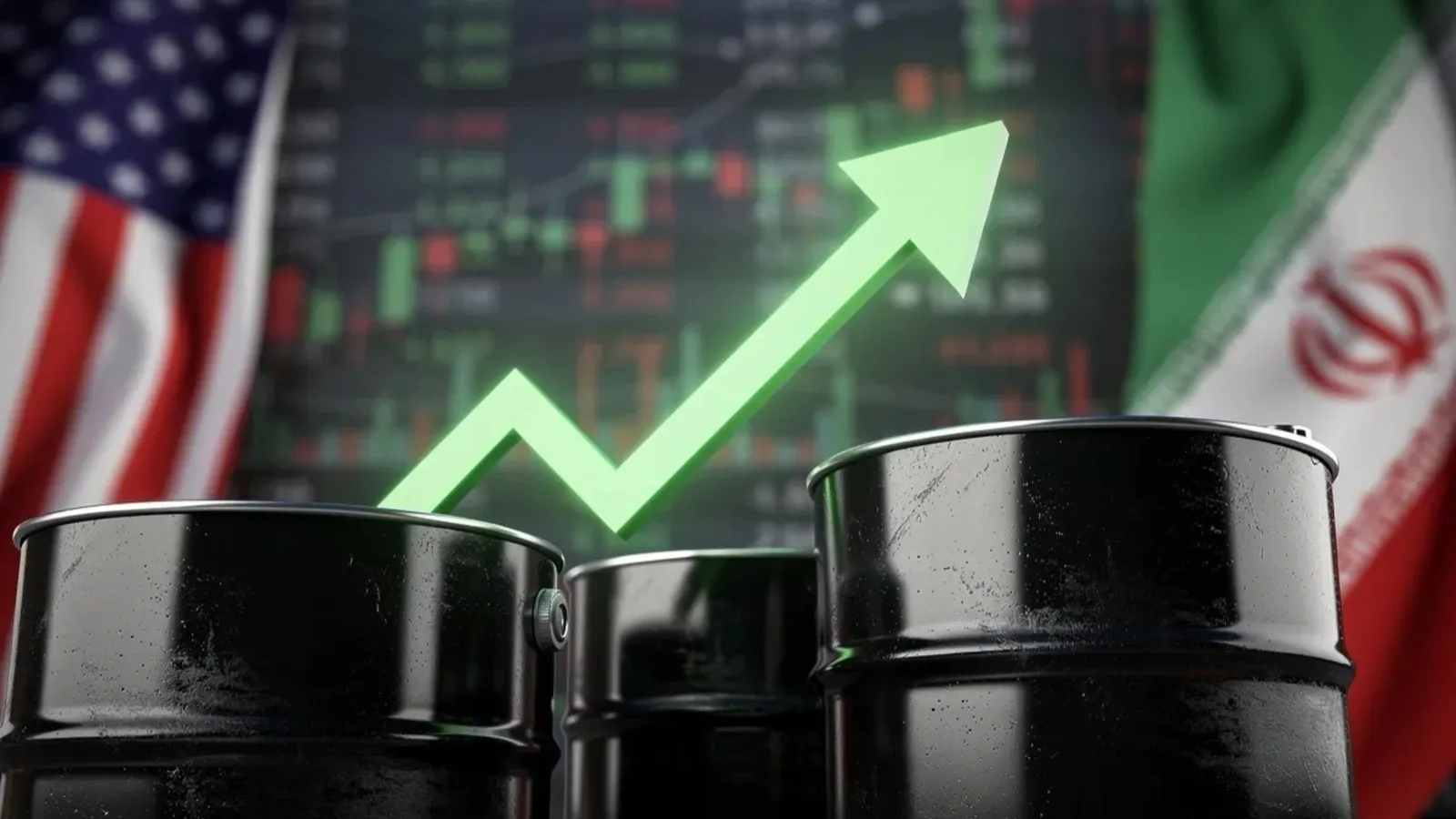
Based on the search results, U.S. gasoline prices are currently at historically high levels (the national average is approximately **$4.29/gallon**, with some areas exceeding $5 or even $6).
The core reason is the geopolitical conflict triggered by the U.S.-Iran war, which has led to the blockade of the Strait of Hormuz and a sharp contraction in global crude oil supply, while refinery capacity on the U.S. West Coast has simultaneously declined, further exacerbating regional supply tensions.
🛢️ Main Cause: Iran War and Blockade of the Strait of Hormuz
This is the most direct and fundamental reason for the current round of price increases. The Strait of Hormuz is a strategic passage through which approximately 20% of the world’s oil flows. Since the U.S. and Israel launched military strikes against Iran, Iran has effectively blocked the Strait, resulting in a significant reduction in oil tanker traffic and a sudden contraction in global crude oil supply.
- Soaring Crude Oil Prices: Supply panic has pushed up international crude oil benchmark prices. Brent crude oil prices have hovered near or even exceeded $100/barrel, an increase of nearly 50% or even 60% compared to before the war.
- Direct Transmission to Pump Prices: The cost of crude oil accounts for the bulk of retail gasoline prices. AAA and other institutions have pointed out that the national average gasoline price has risen by more than $1 compared to before the war (February), with an increase of over 40%.
🏭 Secondary Factor: U.S. Local Refining Capacity Contraction
In addition to international factors, the supply chain within the United States itself is also tightening, particularly on the West Coast.
- California Refinery Closures: California’s refining capacity has shrunk by approximately 17% over the past year. Valero closed its refinery in the San Francisco Bay Area, and Phillips 66 also idled its Los Angeles refinery.
- Increased Reliance on Imports: Due to insufficient local refining capacity, the West Coast has had to significantly increase gasoline imports (import volumes rose by nearly 55% year-over-year), further driving up costs and leading to gasoline prices in California and other regions remaining consistently above $5-$6/gallon.
📉 Other Contributing Factors
- Impact of the Russia-Ukraine War: Sanctions and restrictions on Russian fuel exports have also tightened global energy supply expectations, creating a superimposed effect with the Middle East conflict.
- Inventory and Seasonal Factors: U.S. crude oil inventories are below the five-year average, and while demand has slightly decreased, it remains at a relatively high level, providing little downward pressure on prices.