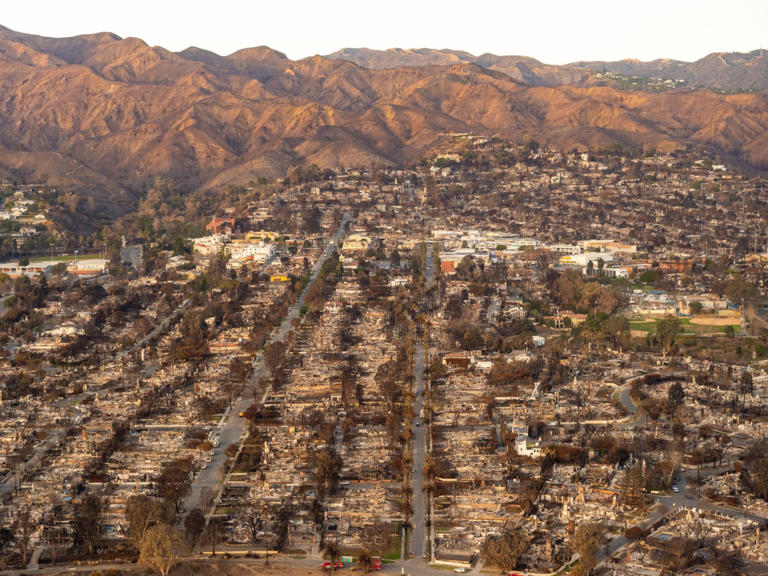
South Korea experiences one of its worst wildfires in modern history; over 88,000 hectares of land are destroyed in South Gyeongsang Province, killing at least 30 people.
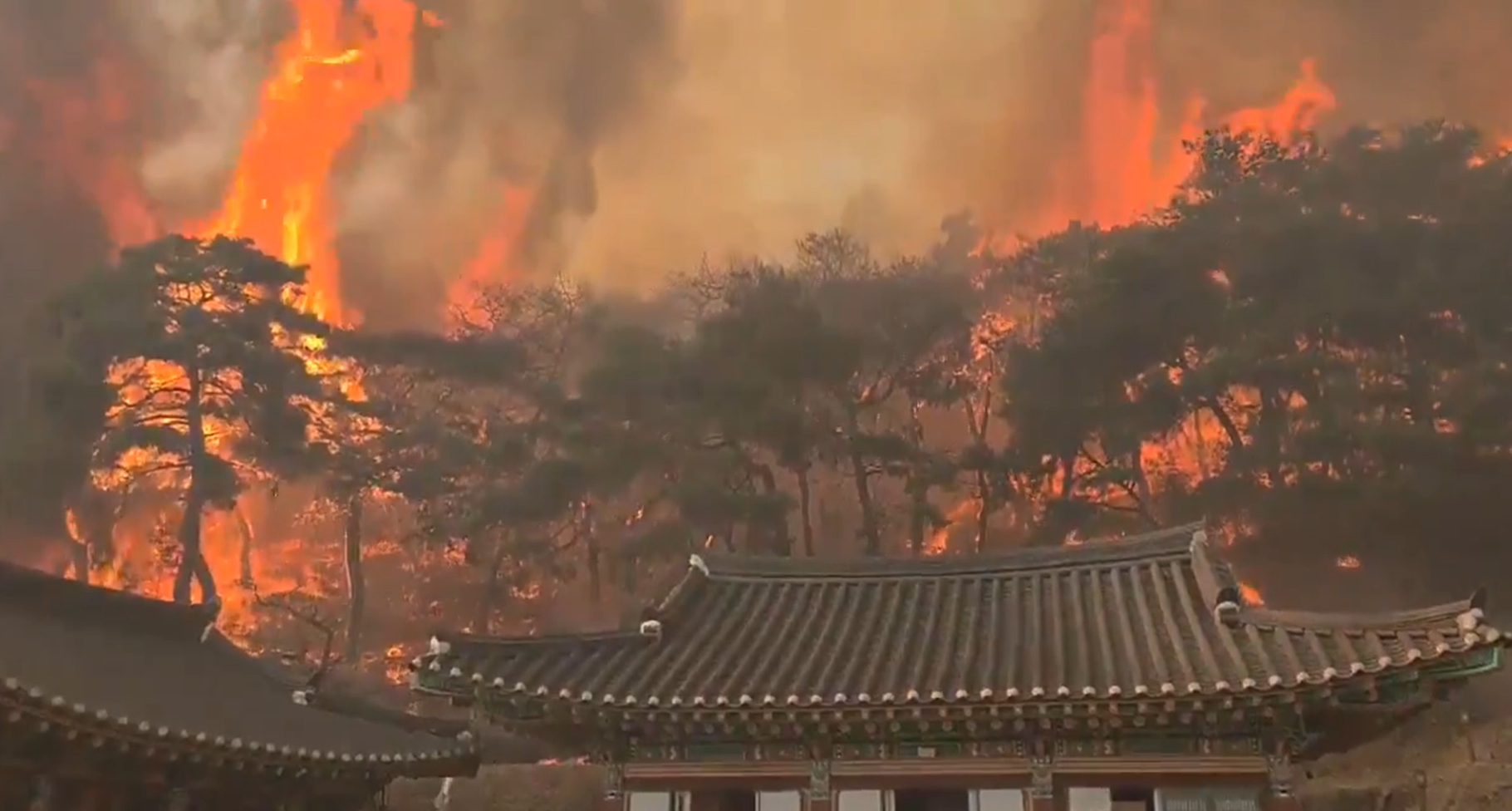
South Korea’s Worst-Ever Wildfires
South Korea has faced one of its most catastrophic wildfire disasters in history, with blazes raging for over a week in March 2025 and finally extinguished after 10 days.
Scale and Impact
The fires began on March 21 in Sancheong County, South Gyeongsang Province, and quickly spread to at least 30 separate fires nationwide. The largest, in Uiseong County, North Gyeongsang Province, burned about 45,157 hectares — the biggest single forest fire in the country’s history, surpassing the 2000 record of 24,000 hectares. The total burned area reached over 88,000 hectares (about 217,000 acres).
Casualties and Evacuations
At least 30 people have died, with 26 in Uiseong and 4 in Sancheong. Around 45 people were injured, and 37,000 residents were evacuated, many elderly and without clear guidance on safe routes. Several deaths occurred when people were caught in vehicles fleeing the flames.
Historic Losses
The fires destroyed or severely damaged at least 18 designated heritage sites, including the 1,300-year-old Gounsa Temple in Uiseong, built in 681 during the Unified Silla Period Smithsonian Magazine. Two “national treasure” sites — Gaunru pavilion (1668) and Yeonsujeon Hall — were completely reduced to ashes Smithsonian Magazine. Other Joseon-era structures and historical sites were also lost.
Causes and Contributing Factors
Authorities are investigating possible human causes, such as accidental ignition from clearing grass in family tombs or sparks from welding equipment Aljazeera. Strong winds, dry conditions, and rugged terrain accelerated the spread, making firefighting difficult. Climate change experts note the unusual speed and scale of the Uiseong fire, warning of more frequent and deadly wildfires globally.
Response Efforts
The military deployed over 120 helicopters and aviation fuel to support firefighting in mountainous regions. However, small rainfall (less than 5mm) was deemed insufficient to extinguish the main fires Aljazeera. Conflicting evacuation orders and delayed alerts left many residents stranded.
Summary
This disaster has left a deep mark on South Korea’s landscape and cultural heritage, with unprecedented destruction and loss of life. It underscores the growing threat of extreme wildfire events in the face of climate change and highlights the need for improved early warning systems and evacuation coordination.